 atendra.work@gmail.com
 Sangla Valley
Himachal Pradesh is home to some of India’s most celebrated hill stations, but if you’re a traveller who craves peace, untouched beauty, and authentic mountain vibes, then it’s time to discover Sangla Valley – an unexplored wonder in the Kinnaur district.
Tucked between towering Himalayan peaks and lush deodar forests, Sangla Valley is one of the most scenic destinations in North India. Unlike crowded tourist hubs, Sangla offers raw nature, warm locals, clear skies, and traditional Himachali charm.
In this blog, we’ll dive deep into Sangla’s natural beauty, top places to visit, local culture, and how you can reach this hidden paradise in the heart of Himachal.
Where is Sangla Valley?
Sangla Valley lies in the Kinnaur district of Himachal Pradesh, close to the Tibetan border. The name “Sangla” comes from two Tibetan words – ‘Sang’ meaning light and ‘La’ meaning pass, meaning “the passage of light.” True to its name, the valley is blessed with sunlight even when nearby regions are covered in clouds.
Situated at an altitude of approximately 8,900 feet (2,700 meters) above sea level, Sangla is a perfect blend of mountains, rivers, orchards, and meadows.
The Beauty of Sangla Valley
The Beauty of Sangla Valley
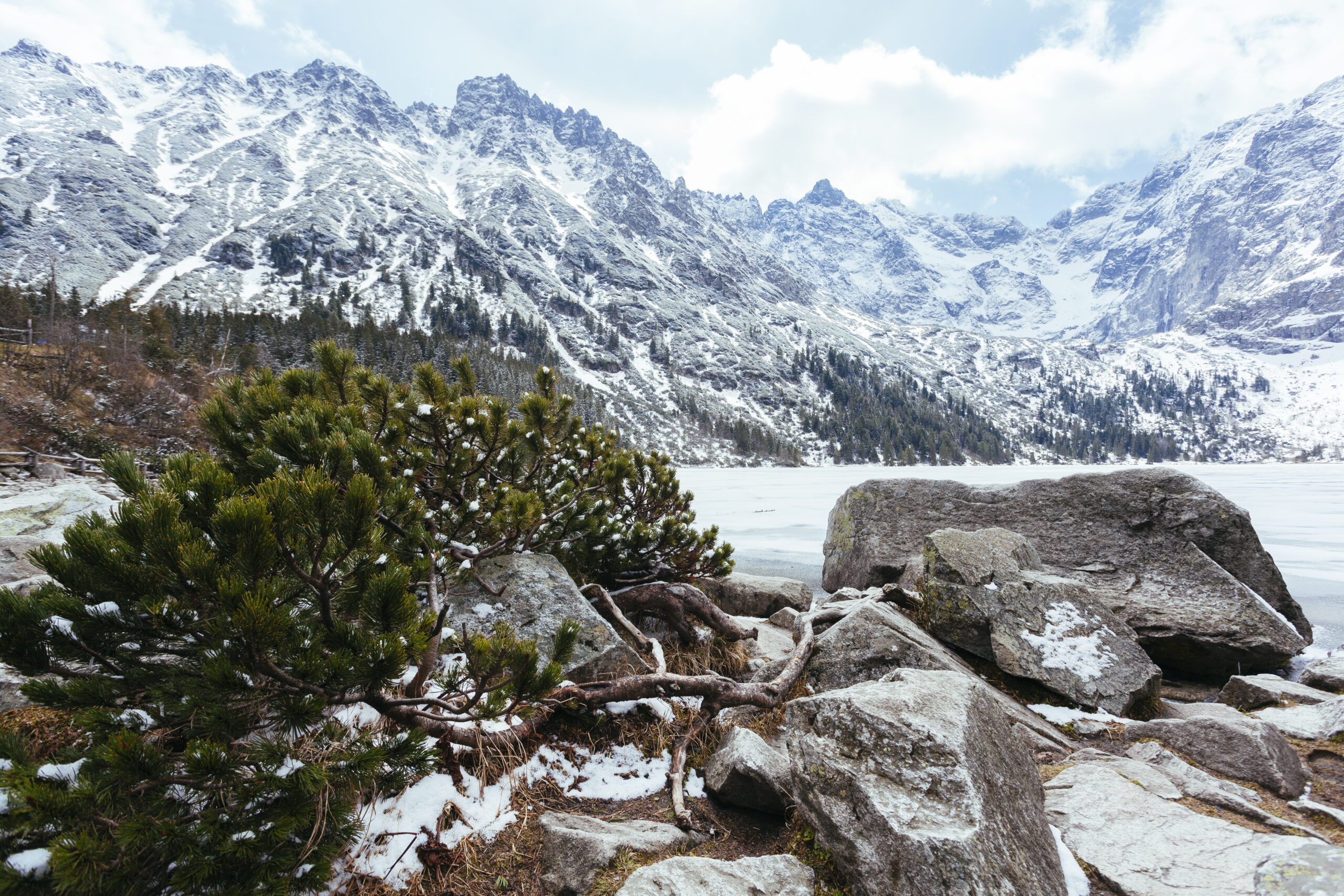
Sangla’s landscape is unlike any other in Himachal. Imagine waking up to snow-covered mountains, walking through green meadows filled with wildflowers, and listening to the soothing sound of the Baspa River flowing by.
The valley is framed by the Kinnaur Kailash range, which looks like a painted backdrop with its majestic snow peaks and changing colours throughout the day.
2. The Lifeline of Sangla
The Baspa River flows right through Sangla Valley, giving life to its orchards, forests, and villages. Whether you want to sit beside the river for meditation or try your hand at trout fishing, this river adds charm to every Sangla experience.
3. Apple Orchards and Alpine Forests
Sangla is famous for its lush apple orchards. During the apple season (August–October), the valley turns into a colourful orchard. You’ll also find pine, oak, cedar, and fir trees, creating the perfect environment for long walks and birdwatching.
4. Snowy Winters and Blossoming Summers
Each season brings a new shade to Sangla:
Summers: Greenery and fresh air.
Monsoon: Blooming flowers and waterfalls.
Autumn: Golden orchards.
Winters: A white wonderland covered in snow.
Best Places to Visit in Sangla Valley
1. Kamru Fort
Located just 2 km from Sangla, Kamru Fort is an ancient fort that dates back over a thousand years. It’s situated on a small hilltop and houses the Kamakhya Devi Temple. From the fort, you get panoramic views of the valley and surrounding villages.
2. Bering Nag Temple
A beautiful wooden temple dedicated to Lord Jagas, Bering Nag Temple is a spiritual and architectural delight. The intricate wooden carvings and peaceful aura make it a must-visit.
3. Batseri Village
Batseri is a traditional Kinnauri village near Sangla. Its cobbled streets, wooden houses, and handcrafted Himachali items offer a glimpse into local life. The Batseri bridge over the Baspa River is perfect for photography.
4. The Last Village of India Chitkul
Just 22 km from Sangla, Chitkul is the last inhabited village near the Indo-Tibet border. It’s often called the most beautiful village in India with its wooden homes, snowy backdrops, and fields of wildflowers.
5. Rakcham Village
Situated between Sangla and Chitkul, Rakcham is a peaceful spot surrounded by mountains and pine trees. It’s ideal for nature lovers and those seeking solitude.
How to Reach Sangla Valley
By Air:
Nearest Airport: Shimla Airport (244 km)
From Shimla, you can hire a taxi or take a bus to Reckong Peo and then on to Sangla.
By Train:
Nearest Railway Station: Kalka (approx. 300 km)
From Kalka, take a cab or bus to Shimla, and then follow the route to Sangla via Rampur – Jeori – Karcham.
By Road:
The best way to reach Sangla is by road:
Delhi → Shimla → Rampur → Karcham → Sangla
Total Distance: 550 km
Drive Time: 14–16 hours (prefer 2-day trip)
From Karcham, a steep but scenic road leads you into Sangla Valley (18 km)
Pro Tip: Roads beyond Karcham are narrow and winding. Experienced drivers are recommended.
Where to Stay in Sangla
Sangla offers a range of homestays, hotels, and camps to suit all budgets:
Budget Homestays:
Shruti Guest House
Batseri Homestay
Mid-Range Hotels:
Hotel Apple Pie
Baspa Riverside Resort
Luxury Retreats:
Banjara Camps & Retreats
The Wanderer’s Nest
Most accommodations in Sangla provide wooden interiors, valley views, home-cooked meals, and warm hospitality.
What to Eat in Sangla
The local food in Sangla reflects the richness of Kinnauri culture. Some must-try dishes include:
Siddu – Steamed bread with walnut or paneer filling
Chha Gosht – Spicy lamb cooked in yogurt gravy
Thukpa – Tibetan noodle soup, especially during winters
Local apples and apricots – Fresh from orchards
Chhang – Traditional barley-based alcoholic drink
What to Eat in Sangla
Trekking & Hiking – Explore trails to Chitkul, Rakcham, and the nearby glaciers
Nature Walks – Through apple orchards and pine forests
Camping – Stay in riverside tents under starry skies
Photography – Snow-capped peaks, rivers, and traditional villages make every photo magical
Cultural Experience – Interact with locals, visit temples, and witness festivals like Phulaich (flower festival)
Best Time to Visit Sangla Valley
|
Season |
Highlights |
|
April – June |
Clear skies, pleasant weather, ideal for treks |
|
July – Sep |
Green valleys, apple season, occasional rain |
|
Oct – Nov |
Autumn colors, golden leaves, less crowd |
|
Dec – Mar |
Snowfall, winter treks, off-season peace |
Avoid peak monsoon (late July) due to landslides.
Travel Tips for Sangla Visitors
Network: BSNL and Jio work best.
ATMs: Limited in Sangla, carry sufficient cash.
Clothing: Even in summer, nights are cold. Layered clothing is recommended.
Eco-Friendly: Don’t litter and avoid plastic
Altitude Awareness: If you have altitude sickness issues, acclimatize in Reckong Peo first
Why Sangla is More Than Just a Destination
Sangla isn’t a place you “do” and forget. It’s a valley you feel, absorb, and remember for life. The scent of pine, the silence of the mountains, the stories of the villagers, and the sparkling river will stay with you long after you leave.
Unlike commercial hill stations, Sangla gives you space – to breathe, to think, and to heal. It’s the perfect antidote to the fast-paced city life.
Make Sangla Your Next Himalayan Escape
If you’re someone who craves real experiences, Sangla Valley is waiting for you – untouched, unspoiled, and unbelievably beautiful. Whether you want adventure, peace, or just a break, this valley offers it all without the chaos of mainstream tourism.

[…] feels like something out of a fairy tale. This hill station in Kerala, also known as the “Kashmir of South India,” is a haven for tourists who enjoy misty mountains, endless tea plantations, […]